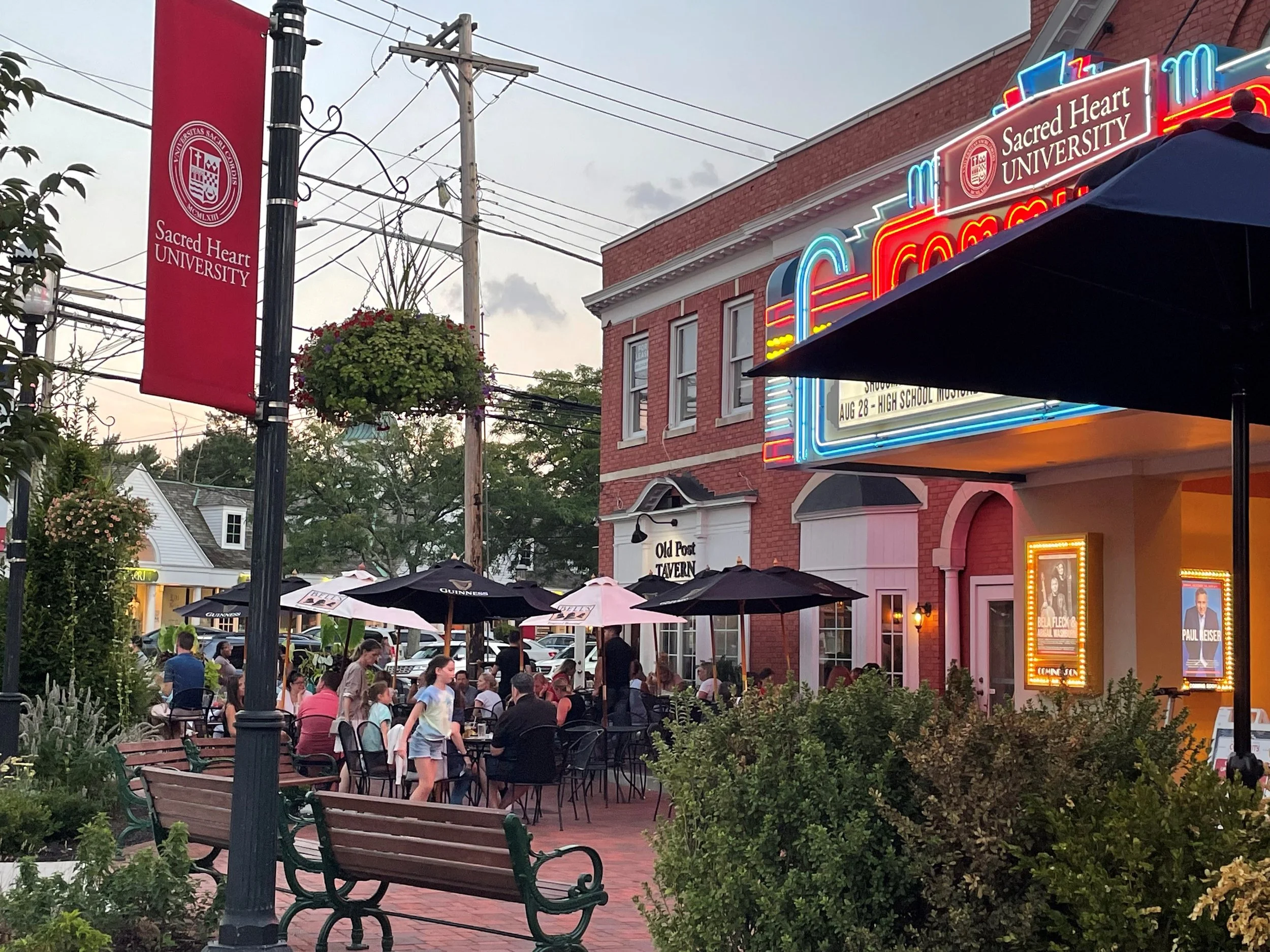
Fairfield, CT
Fairfield is one of Connecticut's premier residential communities—a coastal town on Long Island Sound with a walkable downtown, two universities, three Metro-North stations, and a median household income of $168,391, among the highest of any large city in the United States. With a population of approximately 65,300, a dining scene that draws visitors from across Fairfield County, and an institutional anchor in Fairfield University that contributes more than $1 billion annually to the local economy, Fairfield offers hospitality operators a rare combination: affluent, loyal, year-round residential demand paired with a commercial regulatory environment that is meaningfully permissive for restaurant concepts.
How to Get a Liquor Permit in Fairfield, CT
Getting a Fairfield liquor permit (often called a liquor license) requires navigating both Connecticut's state licensing process as well as local zoning requirements. While the state application is handled through the Department of Consumer Protection, Fairfield’s zoning code determines where alcohol-serving uses are permitted by right.
The Connecticut Liquor Permit Application Process
Applications must be submitted through the CT Department of Consumer Protection's eLicense portal and include documentation for three key areas:
The Backer: The business entity, with financial records and ownership documentation
The Permittee: The individual representing your business
The Location: Where alcohol service will take place
Permit types range from Restaurant Liquor (LIR) to Package Store (LIP) to Café (CAF) permits, and each have associated state fees. Most applications take three to six months to process, though provisional permits can be obtained in three to four weeks for an additional cost of $500. For a complete walkthrough of Connecticut's permit process see our guide to Connecticut Liquor Permit applications.
Fairfield Liquor Permit Requirements
Where Alcohol Service Is Permitted in Fairfield
Fairfield's zoning code restricts the sale of alcohol in Residence Districts and the Beach District, with narrow exceptions for membership clubs organized for bona fide social or recreational purposes. Existing license holders in restricted districts are grandfathered—but if a licensed business is abandoned or discontinued for 12 months, that status lapses and the location must comply with current regulations.
Alcohol sales are expressly permitted in two key commercial zone types:
Transit-Oriented Development (TOD) Parks — Within the Commerce Drive Area Designed District, restaurants, package stores, and general retail uses are all permitted. This zone was designed to enable mixed-use, walkable neighborhoods within reach of commuter rail.
Transportation/Commercial Parks — Within the Designed Industrial District, permitted uses include restaurants (table service and non-table service), package stores, hotels, retail stores, and indoor recreational facilities. Waterfront sites in this zone may additionally include marinas and public waterfront access.
Both zone types cluster near Fairfield's rail stations, placing them among the most transit-accessible commercial addresses in the county.
Proximity Restrictions
Fairfield imposes a 1,500-foot separation requirement between establishments of the same alcohol permit class package store or café permits. If a permitted location is abandoned or discontinued, a new operator may move in after 90 days have elapsed. However, the separation rules do not apply to restaurants.
Fairfield Package Store Limit
Connecticut law allocates Fairfield a maximum of 24 package store permits (one per 2,500 residents). When the cap is reached, aspiring package store owners often acquire existing businesses. To find the current number of package store permits available in Fairfield, check the CT Department of Consumer Protection’s database.
Not sure where to start?
We offer a Feasibility Study that evaluates your location, eligibility, and zoning requirements before you commit to the full application. Schedule a call to find out if you qualify for a Fairfield liquor permit.
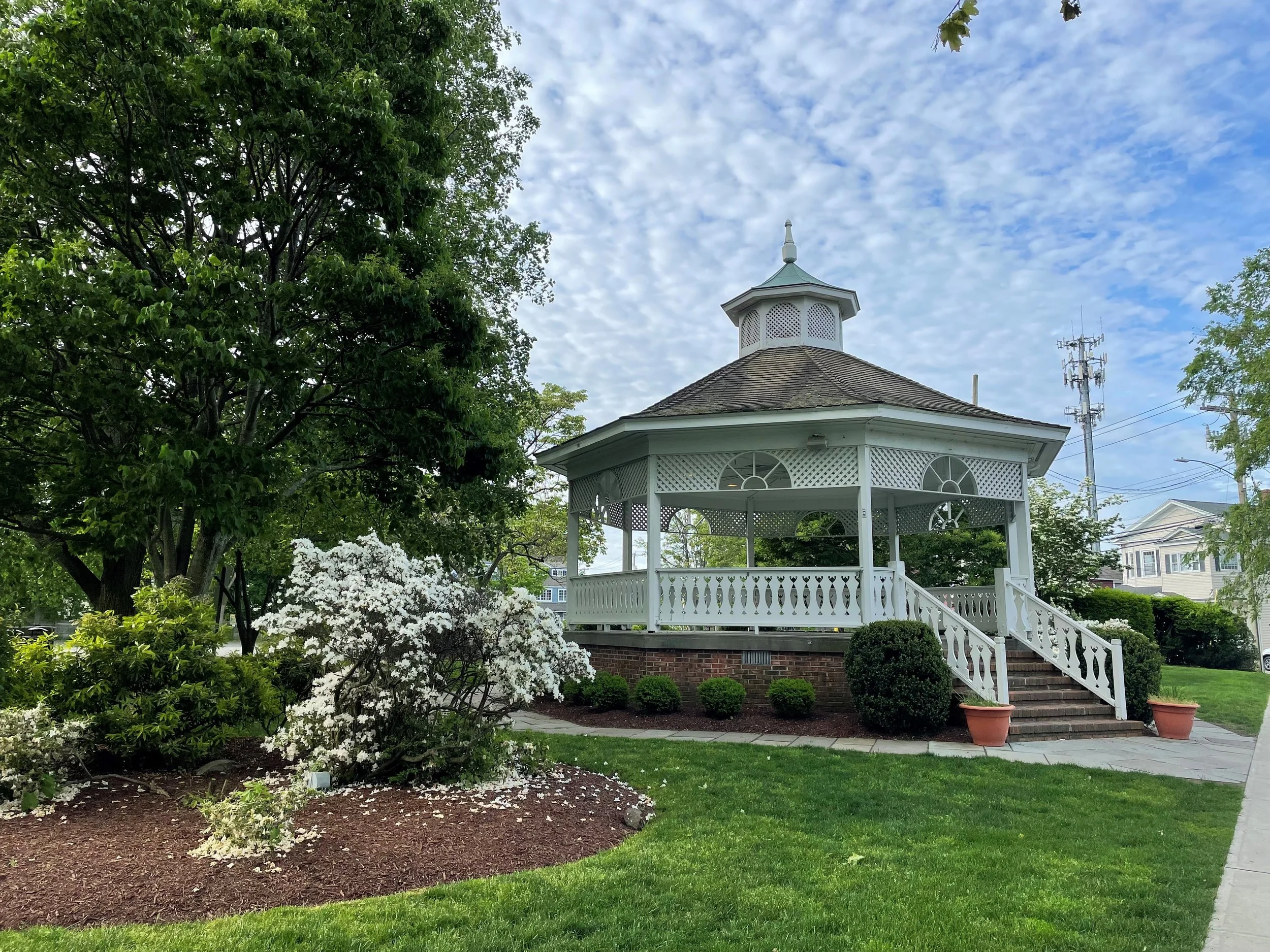
Image courtesy of the Town of Fairfield
Why Fairfield?
A High-Income Residential Base
Fairfield's consumer profile is exceptional. With a median household income of $168,391—ranking second among all large cities in Connecticut and 14th among large cities nationally—the town's residents have both the means and the habit of spending locally on dining and hospitality. Over 95% of residents live above the poverty line, the median home value exceeds $700,000, and the adult population skews toward established professionals and families, many of whom commute to Stamford or New York.
This is not a tourist market or a college town fueled by transient spending. It is a deeply rooted residential community whose hospitality demand is consistent, local, and relationship-driven. Restaurants that land well in Fairfield tend to become neighborhood institutions.
A Dining Scene in Ascent
Fairfield hosts two annual Restaurant Weeks, both organized through Experience Fairfield, which consistently draw participation from across the county. The town's dining scene spans a genuine range of concepts: Barcelona Wine Bar brings nationally recognized hospitality to the Post Road corridor; Esh Mediterrane was named among Connecticut's top Middle Eastern restaurants by Connecticut Magazine; Rye Bird has emerged as a neighborhood anchor steps from the train station; Cosetta Pizzeria, from the team behind Bailey's Backyard, represents the chef-driven casual end; and Sally's Apizza—the New Haven institution founded in 1938—now has a Fairfield location, signaling the town's draw for recognized brands.
The Fairfield Theatre Company, with its Warehouse and Stage One venues, reliably generates event-driven surges that spill into surrounding restaurants and bars before and after shows.
Key Neighborhoods
Downtown Fairfield is the town's primary restaurant district — walkable, dense, and anchored by the Fairfield Theatre Company, which reliably drives pre- and post-show traffic into surrounding restaurants and bars. Zoning here falls within the CDD/DCD districts, and because separation rules don't apply to restaurants, the corridor supports a high concentration of full-liquor concepts. This is where the town's dining identity is most visible: Brick Walk Tavern, Molto, Sophie's, and The Sinclair cluster near the Brick Walk; Rye Bird and Old Post Tavern serve the theater adjacency; Colony, Il Pellicano, The Chelsea, Centro, and South Bay line the Post Road toward the train station. Further south toward Westport, the corridor continues with Lantern Point Taverna and Isabelle et Vincent. For restaurants, wine bars, and café concepts seeking foot traffic and evening energy, this is the flagship corridor.
Black Rock Turnpike runs through DCD and NDD-zoned pockets and serves a plaza-retail, destination-dining function. Parcels here tend to offer larger footprints with ample parking — well-suited for breweries, sit-down restaurants, and production-oriented hospitality formats. Elicit Brewing Company opened here adjacent to Fairfield Metro station in 2024 and drew a ribbon-cutting attended by state representatives and the Chamber of Commerce, signaling the corridor's commercial ambitions. The Little Pub and Taj are established anchors. Note: NDD zones carry a 1,500-square-foot cap on package store uses, which requires review before committing to a retail liquor concept in this corridor.
Southport Village is Fairfield's most intimate commercial node — a historic, walkable enclave with a distinctly affluent character and a strong dinner crowd. Footprints are small and turnover is slow, which self-selects for wine-forward, high-touch concepts. The Gray Goose and Artisan at the Del Mar Hotel represent the neighborhood's register. New entrants here need to fit the fabric, both architecturally and conceptually.
Tunxis Hill & Stratfield sits at the business-residential edge and supports neighborhood-scale dining with primarily local traffic. It works for smaller restaurant concepts, but requires attentive zoning review given residential adjacency. Akita Japanese Restaurant is an established presence in this corridor.
Three Train Stations, Three Nodes of Demand
Fairfield is served by three Metro-North stations on the New Haven Line: Fairfield Station, Southport Station, and Fairfield Metro (Black Rock) Station—an unusual transit density that generates distinct pedestrian traffic patterns across different parts of town.
Fairfield Station sits in the heart of downtown, described in the town's own transit-oriented development plan as "one of the busiest stations on the Metro North New Haven line." Pre-pandemic ridership exceeded 2,000 daily boardings. The station is surrounded by approximately 40 restaurants, anchored by the Fairfield Theatre Company—a premier live music venue with multiple stages—and walkable to Penfield Beach, Fairfield University's bookstore on Post Road, and town hall. This is Fairfield's primary commercial core, and it functions as one of the better-positioned restaurant corridors in Fairfield County.
Fairfield Metro (Black Rock) Station anchors the Transportation/Commercial Park zone to the east, serving the Grasmere, Tunxis Hill, Stratfield, and Commerce Drive neighborhoods. This station already proved its potential when Elicit Brewing Company—a brewery, beer hall, 100-tap taproom, cocktail speakeasy, and restaurant—opened adjacent to the station in 2024 with a lighted walkway connecting the patio directly to the train platform. The Elicit opening drew an official ribbon cutting attended by the First Selectman, state representatives, and the Chamber of Commerce, and validated the station's commercial potential for production-oriented hospitality concepts.
Southport Station is more limited in service frequency but walkable to Southport Center and the harbor, supporting a smaller, boutique commercial node for neighborhood dining and retail.
Two Universities, Year-Round Foot Traffic
Unlike seasonal shoreline markets, Fairfield benefits from two universities providing a year-round institutional anchor. Fairfield University, a Jesuit institution with approximately 5,000 undergraduates, contributes over $1 billion annually to the local economy and is an active partner in downtown events including Fairfield Restaurant Week, Small Business Saturday, and holiday retail programming. Its University Bookstore occupies a prominent Post Road location, driving regular student and family foot traffic into the commercial district.
Sacred Heart University, also in town, adds further institutional depth, and its Edgerton Center for Performing Arts contributes to Fairfield's active cultural calendar.
The Opportunity
For restaurant operators, Fairfield offers a clean permitting environment: no proximity restrictions, permitted uses across both major transit-oriented commercial zones, and a high-income residential customer base with genuine loyalty to neighborhood concepts. The Elicit Brewing opening demonstrates that production-focused formats—brewpubs, taprooms, distillery tasting rooms—can succeed in Fairfield when sited near rail infrastructure, and the Transportation/Commercial Park zone around Fairfield Metro remains an underbuilt corridor with real development potential.
Ready to Apply for a Fairfield Liquor Permit?
For $350, we assess your location and eligibility before you invest in the full application. The fee applies toward your consulting engagement if you move forward. Tell us about your project below to meet with a liquor permit consultant.