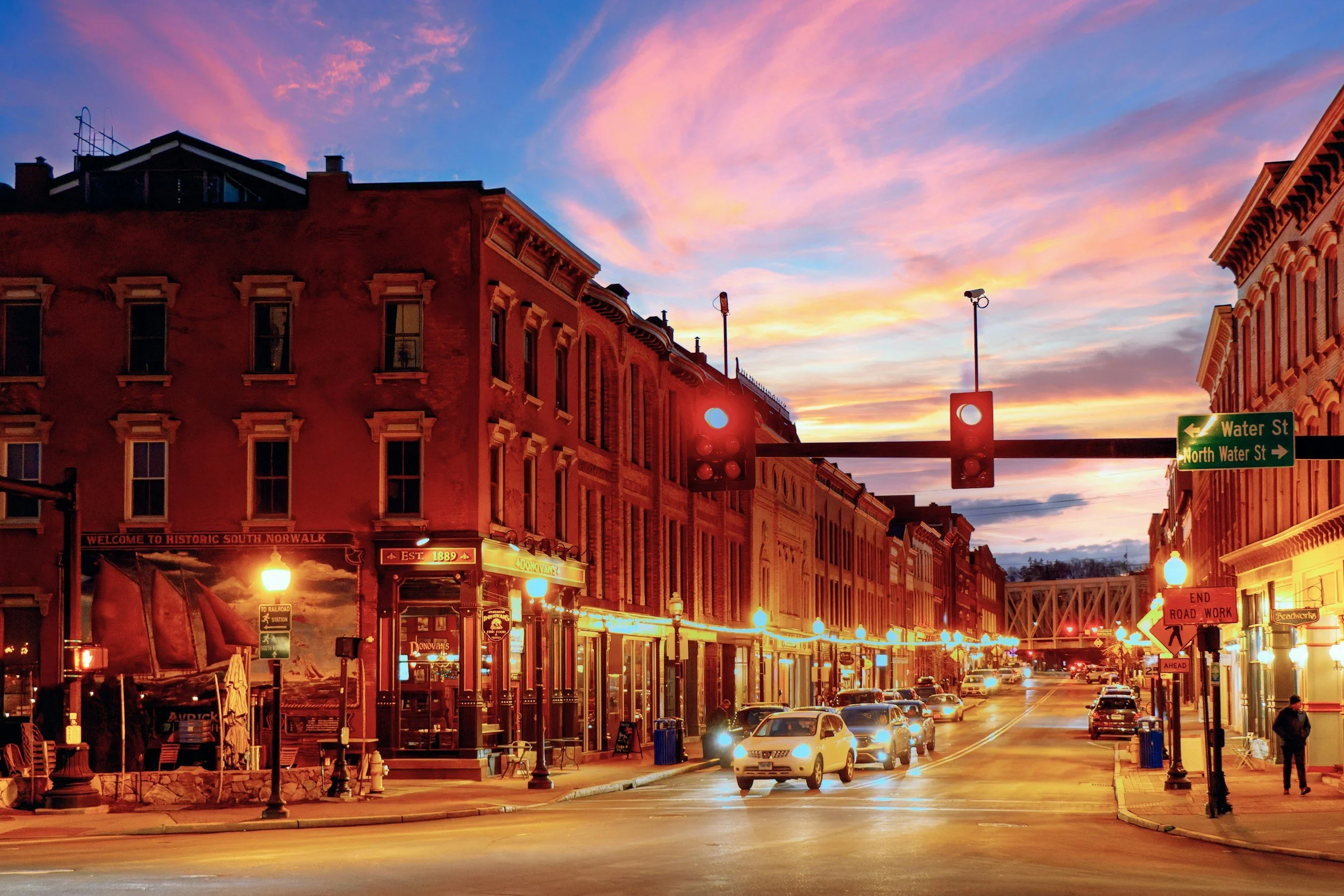
Norwalk, CT
Norwalk is a mid-sized coastal city where a diverse food scene, a growing arts community, and a population of nearly 94,000 create layered, year-round demand for dining and entertainment. With a median household income of $107,616, Norwalk offers the purchasing power and consumer base to support a wide range of concepts, from neighborhood restaurants to craft breweries and beyond.
How to Get a Liquor Permit in Norwalk, CT
Getting a Norwalk liquor permit (often called a liquor license) requires navigating both Connecticut's state licensing process as well as local zoning requirements. While the state application is handled through the Department of Consumer Protection, Norwalk's zoning code determines where alcohol-serving uses are permitted by right.
The Connecticut Liquor Permit Application Process
Applications must be submitted through the CT Department of Consumer Protection's eLicense portal and include documentation for three key areas:
The Backer: The business entity, with financial records and ownership documentation
The Permittee: The individual representing your business
The Location: Where alcohol service will take place
Permit types range from Restaurant Liquor (LIR) to Package Store (LIP) to Café (CAF) permits, and each have associated state fees. Most applications take three to six months to process, though provisional permits can be obtained in three to four weeks for an additional cost of $500. For a complete walkthrough of Connecticut's permit process see our guide to Connecticut Liquor Permit applications.
Norwalk Liquor Permit Requirements
Where Alcohol Service Is Permitted in Norwalk
Norwalk's zoning code defines where alcohol-serving uses are permitted by right, meaning no special permit or variance required.
Package stores are permitted by right in Central Norwalk (including the Wall Street Historic District), SoNo's urban core, and the downtown waterfront. Norwalk also permits package stores along Main St and Main Ave as well as parts of Route 1, including the Westport Ave and Connecticut Ave corridors. Restaurants are permitted in those same areas, plus select marine commercial locations along the water. Brewpubs and distilleries have the broadest footprint, permitted across SoNo, the Wall Street corridor, and industrial zones in East Norwalk and deeper into South Norwalk. Norwalk's industrial zoning is more accommodating for brewpubs and distilleries than other comparable Connecticut cities, which opens up a wider range of site options beyond the primary commercial corridors.
No Proximity Restrictions
Unlike many Connecticut municipalities, Norwalk imposes no separation rules on bars, restaurants, or other on-premises alcohol establishments. There are no minimum distances required between alcohol-serving businesses or between those businesses as well as churches and schools. This gives Norwalk businesses unusually broad site flexibility when evaluating locations.
Norwalk Package Store Limit
Connecticut law allocates Norwalk a maximum of 36 package store permits (one per 2,500 residents). When the cap is reached, aspiring package store owners often acquire existing businesses. To find the current number of package store permits available in Norwalk, check the CT Department of Consumer Protection’s database.
Not sure where to start?
We offer a Feasibility Study that evaluates your location, eligibility, and zoning requirements before you commit to the full application. Schedule a call to find out if you qualify for a Norwalk, CT liquor permit.
Why Norwalk?
A Serious Food Town
Norwalk has made its dining scene a civic priority. The city hosts Dine Norwalk Restaurant Week multiple times per year, actively promoting its restaurants as a destination. That investment is paying off: Norwalk's South Norwalk (SoNo) neighborhood has attracted chefs with national and international credentials. SoNo chef Andrea Williams, owner of MaaMa, recently won Chef League, a Georgian cooking competition—the kind of recognition that puts a food community on the map. Likewise, chef Matt Storch, graduate of the Culinary Institute of America and co-owner of Match, won Chopped in 2018. Norwalk is not content to be a place where people pass through on the way to somewhere else. It is actively building an identity around diverse, quality dining.
A City That Hosts Events
Norwalk's event calendar keeps foot traffic moving and creates recurring demand for bars, restaurants, and hospitality venues:
Norwalk Film Festival draws filmmakers, industry attendees, and audiences to the city
Shakespeare on the Sound, performed waterfront at Pinkney Park in the Rowayton neighborhood, is a beloved annual tradition
Make Music Day brings live performances to public spaces across the city
These are not one-off events. They represent a sustained municipal commitment to arts, culture, and community—the kind of environment that sustains hospitality businesses through the slower months.
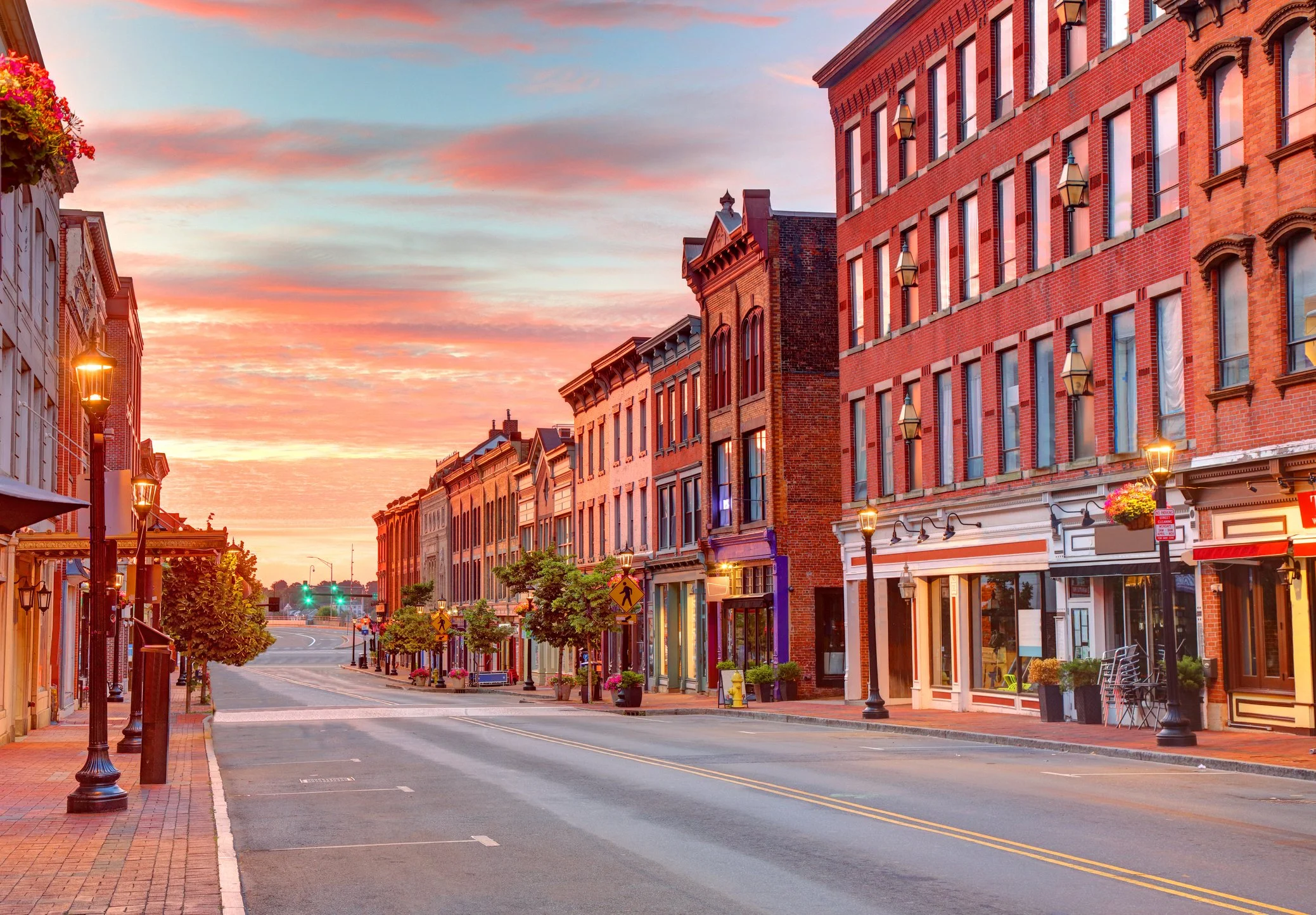
Washington Street, South Norwalk
Unique Neighborhoods
South Norwalk (SoNo) is the city's primary dining, retail, and entertainment destination. Formerly known as “Old Well,” SoNo is an established commercial corridor with growing residential density. Plus it’s home to a major destination, the Maritime Aquarium. SoNo has become Norwalk’s restaurant row, with foot traffic driven by residents, workers, and visitors. SoNo also borders Norwalk’s Historic District, which cultivates an active arts presence and a mix of restaurants—a strong candidate for chef-driven or neighborhood-anchor concepts.
Norwalk Green offers a classic New England town square surrounded by a diverse urban neighborhood. Its walkable, civic character supports cafés, casual dining, and retail alcohol.
Rowayton sits at the water's edge, with a concentration of small businesses and restaurants and a distinct, tight-knit community identity. The Shakespeare on the Sound festival draws seasonal visitors to this neighborhood each year.
East Norwalk is a seaside neighborhood with scenic character and a residential base. Cranbury is pastoral and residential. West Norwalk is a quieter residential area home to Norwalk Community College, with demand for accessible, everyday dining concepts.
The Opportunity
Norwalk offers a rare combination for Connecticut operators: a serious food culture with municipal support, a permissive regulatory environment with no proximity restrictions, accommodating zoning for brewpubs and distilleries across a wide range of districts, and a consumer base with above-average household income and strong adult population. For businesses launching a new concept, expanding from nearby Stamford or Westchester, or building a production facility with a taproom, Norwalk is one of Fairfield County's most strategically attractive permitting environments.
Ready to Apply for a Norwalk Liquor Permit?
For $350, we assess your location and eligibility before you invest in the full application. The fee applies toward your consulting engagement if you move forward. Tell us about your project below to meet with a liquor permit consultant.