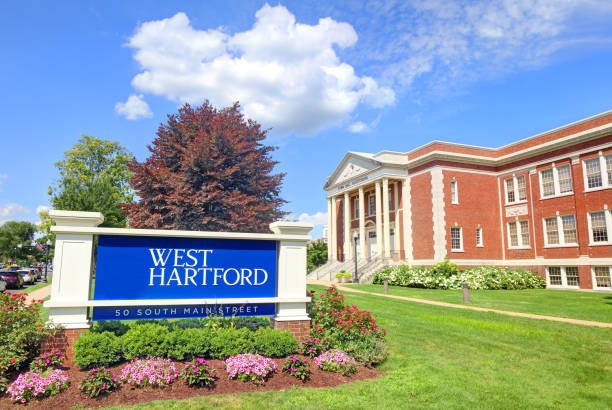
West Hartford, CT
West Hartford (sometimes called WeHa) is Connecticut's premier dining destination—ranked the #1 Best Place to Live in the state for eight consecutive years. With 201 restaurants, a median household income of $125,616, nearly 17,000 young professionals aged 25–44, and a residential pipeline adding 2,000 new units, the town's hospitality market is in the middle of a sustained growth cycle.
How to Get a Liquor Permit in West Hartford
Getting a West Hartford liquor permit (often called a liquor license) requires navigating both Connecticut's state licensing process as well as local zoning requirements. While the state application is handled through the Department of Consumer Protection, West Hartford’s zoning code determines where alcohol-serving uses are permitted by right.
The Connecticut Liquor Permit Application Process
Applications must be submitted through the CT Department of Consumer Protection's eLicense portal and include documentation for three key areas:
The Backer: The business entity, with financial records and ownership documentation
The Permittee: The individual representing your business
The Location: Where alcohol service will take place
Permit types range from Restaurant Liquor (LIR) to Package Store (LIP) to Café (CAF) permits, and each have associated state fees. Most applications take three to six months to process, though provisional permits can be obtained in three to four weeks for an additional cost of $500. For a complete walkthrough of Connecticut's permit process see our guide to Connecticut Liquor Permit applications.
West Hartford Liquor Permit Requirements
Where Alcohol Service Is Permitted in West Hartford
West Hartford's zoning code governs where alcohol-service is permitted. Here are the key rules by permit type:
Restaurants and Hotels: Permitted by right in West Hartford's business districts as a main or accessory use. No separation requirements from other restaurants—only a 200-foot setback from schools, parks, places of worship, hospitals, and libraries applies.
Package Stores: Also permitted in business districts. Package stores must be at least 1,500 feet apart (measured along street centerlines) and maintain a 700-foot absolute radial minimum between entrances. The 200-foot sensitive-use setback also applies.
Breweries, Distilleries, and Craft Cafés: Permitted in districts listed under §177-6B Item 58. Outdoor patron areas are permitted subject to detailed operational standards, including a 200-foot setback from residential districts and Type C screening requirements.
One practical note for brewpub and distillery operators: West Hartford's industrial and mixed-use zones are accommodating to manufacturer permits, and the Elmwood Transit-Oriented Development overlay (within ¼ mile of the Flatbush and Elmwood CTfastrak stations) offers emerging real estate at lower rents with the full range of permitted uses.
Outdoor Dining Rules
Outdoor dining is permitted as an accessory use to restaurants and is a meaningful part of West Hartford's food culture—particularly along LaSalle Road and Farmington Avenue, where a $10 million infrastructure reconstruction (expected completion in November 2026) is widening sidewalks and installing retractable bollards designed to make street closures for events effortless. One operational note: West Hartford's zoning code requires that patrons at outdoor dining areas be seated at tables—bar-style service (standing or seated at stools) is not permitted outdoors, and food service must be available if alcohol is.
Proximity Restrictions
Separation rules apply for on-premises establishments. West Hartford requires alcohol-serving establishments, like restaurants, be set back by 200 feet from schools, parks, churches, hospitals, and libraries.
West Hartford Package Store Limit
Connecticut law allocates West Hartford a maximum of 25 package store permits (one per 2,500 residents). When the cap is reached, aspiring package store owners often acquire existing businesses. To find the current number of package store permits available in West Hartford, check the CT Department of Consumer Protection’s database.
Not sure where to start?
We offer a Feasibility Study that evaluates your location, eligibility, and zoning requirements before you commit to the full application. Schedule a call to find out if you qualify for a West Hartford liquor permit.
Why West Hartford?
Connecticut's #1 Market
West Hartford has been ranked the #1 Best Place to Live in Connecticut by Niche.com for eight consecutive years, and the #1 Best Suburb for Young Professionals in the state for the same stretch. U.S. News & World Report placed it at #19 Best Places to Live in America—the only Connecticut community in the top 20. These rankings reflect not only civic pride but a consumer base that is educated, high-earning, and actively choosing West Hartford as home.
Median household income of $125,616 (34% above the state average), with 42% of households earning over $150,000. Two-thirds of adults hold a bachelor's degree or higher.
A Regional Dining Destination
West Hartford serves more than just its 64,000 residents, functioning as the Hartford region's dining capital. With 201 restaurants, it has more than twice the dining density of Glastonbury and nearly five times that of Simsbury. Residents of Farmington Valley towns routinely make the trip to West Hartford because no comparable walkable dining district exists anywhere else in the region. The state tourism board officially markets West Hartford as “a popular regional destination” for dining and nightlife.
The scene has national recognition: Coracora is a multi-year James Beard semifinalist; Barcelona Wine Bar and Artisan hold Wine Spectator awards; Le Mazet won Hartford County Restaurant of the Year at the 2025 CT Restaurant Association awards.
Two Active Commercial Corridors
West Hartford Center is the town's primary dining and entertainment district—a walkable, established corridor anchored by Blue Back Square. Street reconstruction completing in late 2026 is adding wider sidewalks, decorative lighting, new street trees, and retractable bollards for event street closures. High rents reflect the premium location; the tradeoff is the region's deepest foot traffic.
Elmwood is the town's emerging market. A Transit-Oriented Development overlay established in 2022 is catalyzing mixed-use construction around two CTfastrak stations. The Laurel—whose chef won 2025 statewide Chef of the Year—opened here in 2024. Lower rents, a more diverse customer base, and a $6 million Complete Streets infrastructure investment make Elmwood the right address for operators who want growth trajectory over existing density.
The Opportunity
While West Hartford is a proven market, identifiable gaps remain: no dedicated craft brewery taproom, no prominent Indian restaurant since INDIA at Blue Back Square closed, limited Korean and ramen concepts, and virtually no options after 10 or 11 PM for 17,000 young professionals with nowhere else to go. For those keen to launch a new concept or expand from the NYC metropolitan area, West Hartford is the one of the state's most compelling municipality.
Ready to Apply for a West Hartford Liquor Permit?
For $350, we assess your location and eligibility before you invest in the full application. The fee applies toward your consulting engagement if you move forward. Tell us about your project below to meet with a liquor permit consultant.